
We were honoured to be given the opportunity to open last year’s prestigious Safety at Sea Conference alongside Eugene Mayne, Founder and CEO of Tristar Group, and Tim Coffin, CEO of Tristar. The event took place in November in Dubai, with over 200 participants in person and a further 450 joining from crewing locations and ships in transit across the globe. It was truly amazing!
Events like this play a vital role in sharing best practice, encouraging collaboration, and reinforcing the importance of making safety a top priority across the maritime sector. The conference featured a strong line-up of expert speakers, with discussions centred around Leadership, Incident Prevention, and Wellbeing & Care.
Leadership

Dr Waddah Ghanem of ENOC (Emirates National Oil Company) – a leading, Dubai government-owned integrated energy group – explored the evolution of safety leadership. Waddah is a world authority on safety leadership and his session, together with an expert panel, highlighted how effective leadership is fundamental to embedding a strong safety culture and driving meaningful, long-term change across organisations. He emphasised that leaders must seek opportunities to understand their teams more deeply and develop their own leadership skills to have empathy to manage the increasingly complex challenges faced by our seafarers.
Incident Prevention

Together in Safety founding member and V.Group Chairman, Graham Westgarth, shared powerful insights into the wide-ranging consequences of major incidents at sea. His presentation examined not only the operational, legal, and reputational impacts on companies, but also the profound and long-lasting effects such incidents can have on seafarers and their families, clearly underlining the human cost of safety failures.
Graham and his panel, drawn from all levels of leadership, emphasised that effective incident prevention goes beyond policies and compliance alone. Strong, visible leadership was identified as a critical factor in setting expectations, modelling safe behaviours, and creating a culture in which individuals feel empowered to speak up and intervene when risks are identified. Proactive risk assessment, clear accountability, and consistent reinforcement of safety standards were highlighted as essential in preventing incidents before they escalate.
By placing people at the centre of safety systems and decision-making, organisations can reduce the likelihood of serious incidents while also protecting lives, livelihoods, and long-term wellbeing across the maritime industry.
Wellbeing & Care
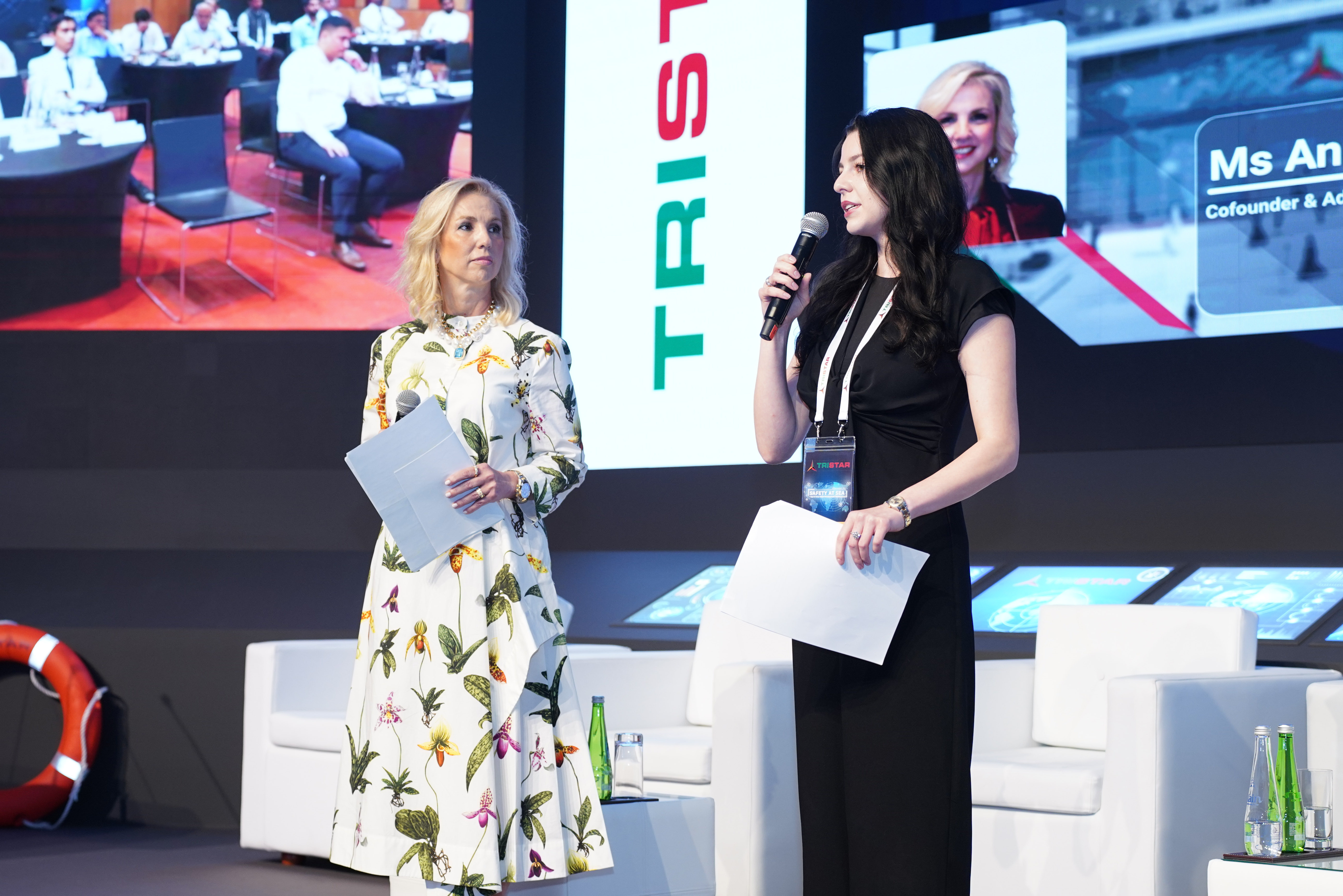
This session, led by Anna Myrilla from Learning Seaman and Stella Kiss from Mental Health Support Solutions, focused on the factors affecting seafarers’ mental health and emotional resilience. The open discussion with all participants highlighted practical, actionable strategies to better support wellbeing both on board vessels and ashore, emphasising the shared responsibility of organisations, leaders, and colleagues.
The speakers stressed the importance of clear organisational frameworks that actively protect mental wellbeing. This includes implementing company-wide guidelines on internet and technology use, alongside the provision of protected crew rest spaces that are free from digital monitoring.
The session also underscored the role of leadership in shaping a psychologically safe culture. Regular leadership training was recommended to help leaders build trust, model positive behaviours, and respond appropriately to wellbeing concerns.
Finally, the speakers emphasised the necessity of consistent and compassionate post-incident care. Companies were encouraged to define a standard protocol for psychological support following incidents, with specific training for HR and leadership teams on how to provide both immediate and longer-term follow-up in a sensitive and effective manner.
Overall the Conference provided valuable insights, meaningful dialogue, and practical takeaways, reinforcing the critical importance of leadership, prevention and care in keeping those at sea safe.
A summary of the key Conference takeaways
We’ve summarised our key Conference takeaways below. When utilised all together, following the steps across these themes will help organisations across our industry drive safety performance.
Leadership
- Seek opportunities to understand more deeply and develop leadership skills, to have empathy to manage the increasingly complex seamanship challenges.
- Utilise the Together in Safety Leadership Framework in Executive Teams at https://togetherinsafety.info/leadership/
Wellbeing & Care
- Implement company-wide guidelines on internet and technology use, supported by protected crew rest spaces that are free from digital monitoring.
- Provide regular leadership training to leaders focused on building trust and modelling positive behaviors.
- Issue a clear statement from the Owner/CEO affirming that speaking up is supported and protected, with posters and digital reminders reinforcing the “Stop Work Obligation”.
- Define a standard protocol for post-incident psychological support, with training for HR/leadership on compassionate follow-up for the immediate and longer-term.
Incident Prevention
- Identify the major incident types that are impacting your company and put in place a programme using the Together in Safety best practices.
- Implement the Golden Safety Rules led by the Owner/CEO, maybe with one rule each month.
You can view the Together in Safety Leadership Framework here: https://togetherinsafety.info/leadership/